Cooling Curve of Water: How to Read the Graph and Calculate the Cooling Rate
Read a water cooling curve using five real thermometer readings. Calculate the average cooling rate and explain why it slows down.

Read a water cooling curve using five real thermometer readings. Calculate the average cooling rate and explain why it slows down.
Compare the current drawn by a real STM32 Nucleo-WB55RG in Run and Sleep. Follow the steps and read two current traces from the remote lab.
Four readings from a low-heat lab recording show a near-plateau close to 0 °C followed by a faster rise. Here is how to read them and what they cannot tell us.
Build a four-block Arduino program to blink the built-in LED on a real board. Change one wait time and predict the new pattern before you run it.
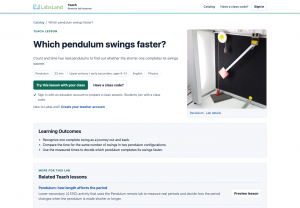
Prepare your first class with LabsLand Teach: choose an activity, check access, organise pairs and collect answers. Includes a preparation checklist.
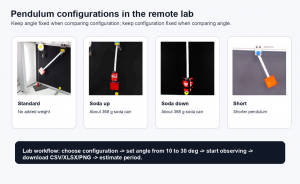
Plan a pendulum investigation: collect predictions, compare configurations fairly and discuss measurements with your class. Includes a printable lesson plan.
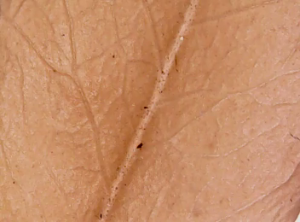
Compare leaf samples in a remote microscope lesson, record observations and separate them from hypotheses. Includes a printable student worksheet.
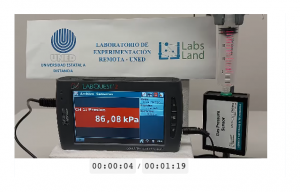
Design an assessable activity with the Boyle’s law lab: student brief, data table, 20-point rubric and feedback examples.
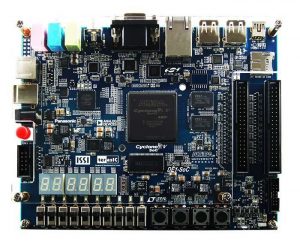
Teach a first Verilog assignment on a remote DE1-SoC FPGA with a truth table, simulation-checked code, a student worksheet and a practical marking guide.
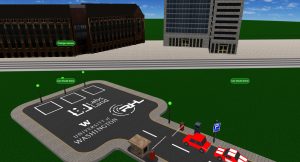
Pushing Boundaries in Education When it comes to labs with programmable devices (such as FPGAs and microcontrollers), both hands-on and remote, there has always been a limit to what students…
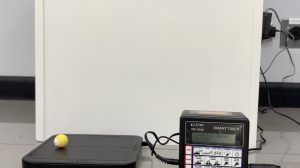
The concept of gravity is a fundamental principle in physics that describes the force of attraction between two objects with mass. Understanding this concept is essential for students studying physics…
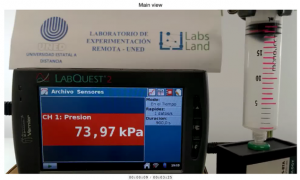
The Boyle's Law chemistry lab, developed together with the Universidad Estatal a Distancia (UNED) of Costa Rica, is now available after a successful testing phase. This laboratory allows us to…

We have developed a new remote chemistry laboratory, together with the Universidad Estatal a Distancia (UNED) in Costa Rica: the Titration laboratory. After having been used with great success in…
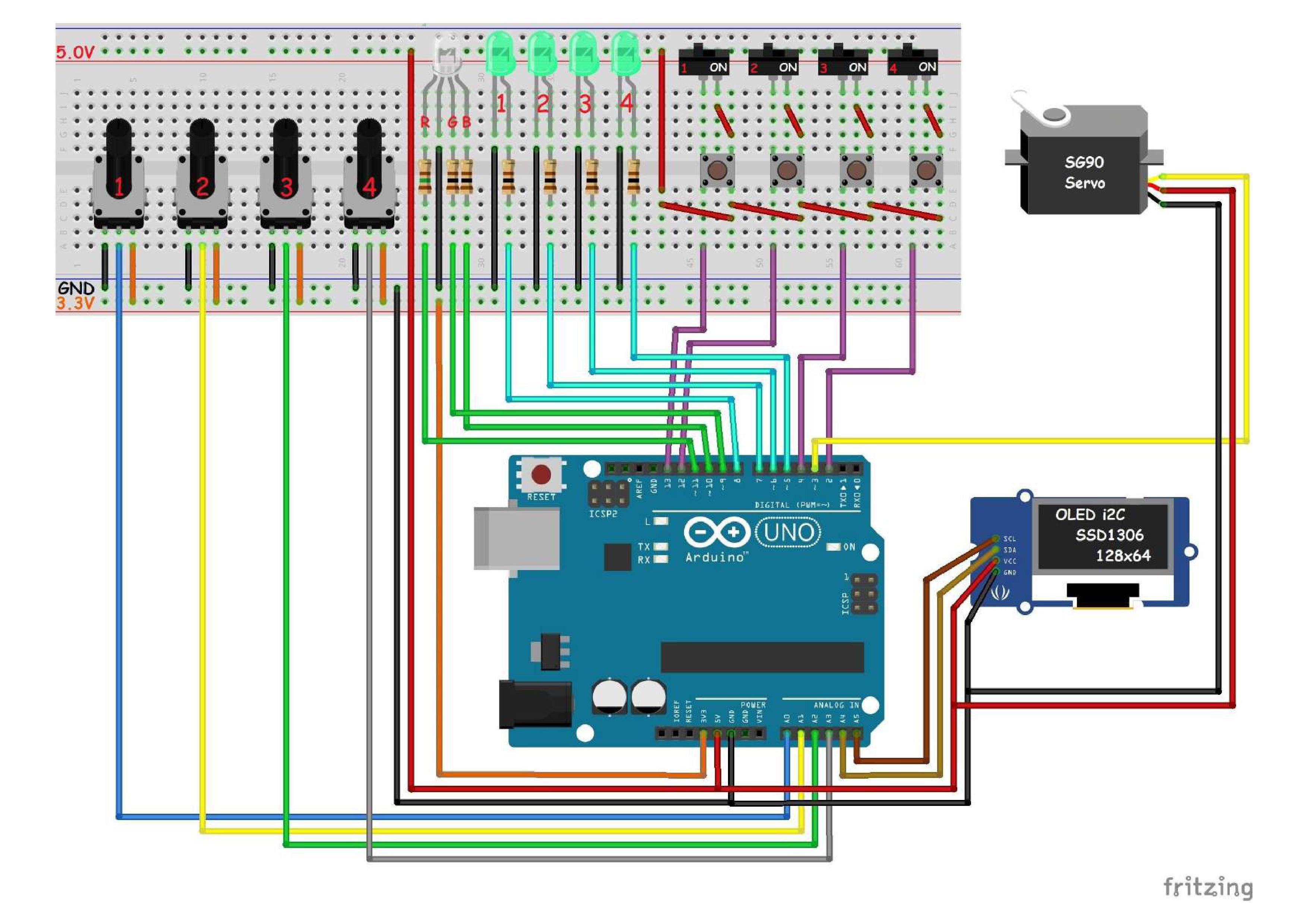
What is the Arduino UNO board? LabsLand, features a remote Arduino board lab. It is designed to resemble the typical low-cost Arduino kits that newcomers to Arduino often rely on…
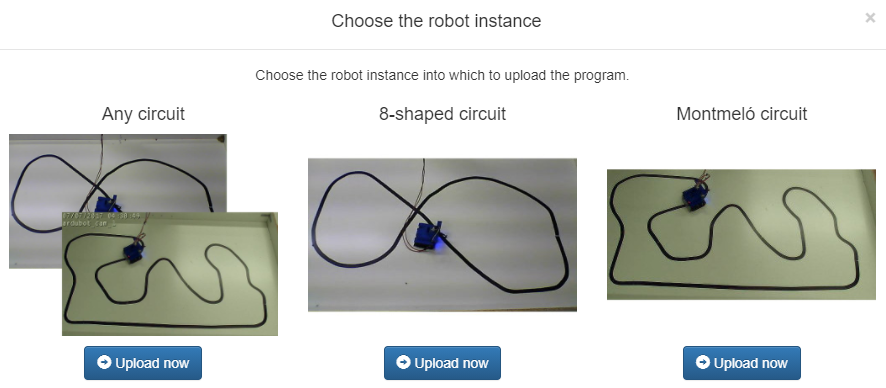
For some time now, LabsLand has had the Arduino Robotics Lab - Visual, a laboratory designed for learning with visual programming, in this case, with a robot based on the…
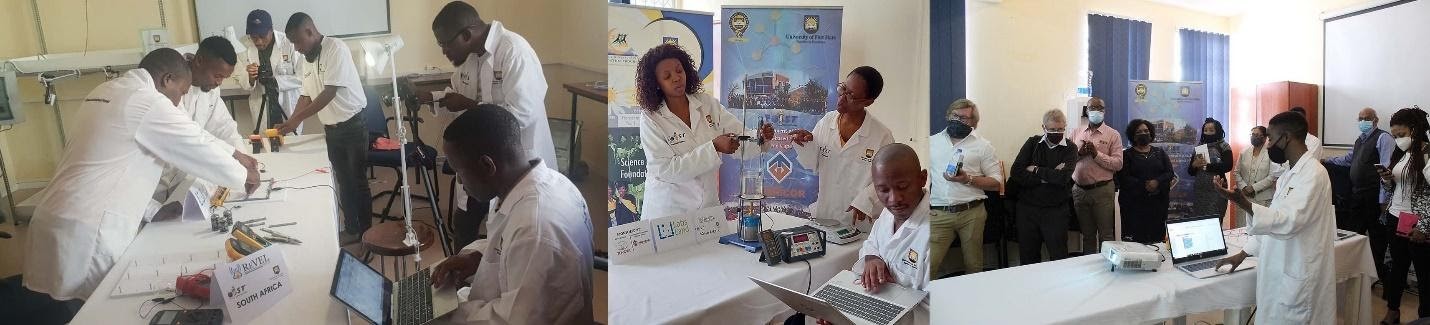
The Covid-19 pandemic highlighted the significant problems experienced by both schools and educational institutions in South Africa. In fact, it aggravated the situation in educational institutions, since the lack of…
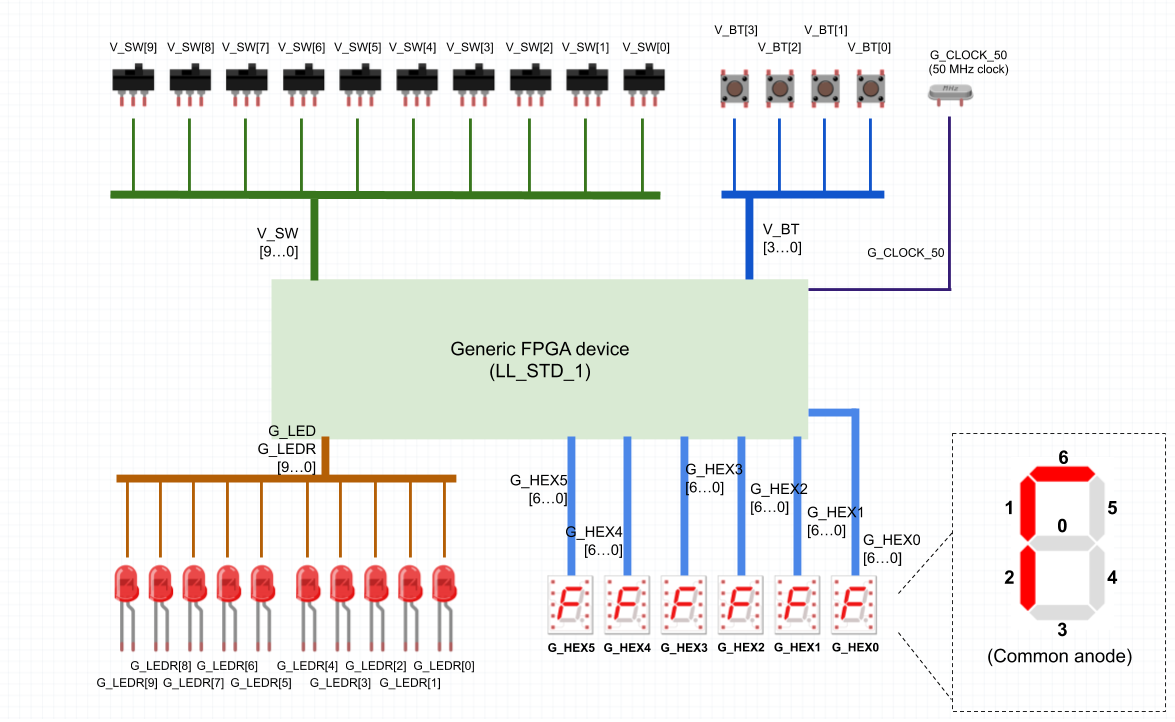
The LabsLand FPGA laboratory lets you experiment with hardware description languages, such as Verilog or VHDL. This can be done easily, and it is possible to immediately apply your code…
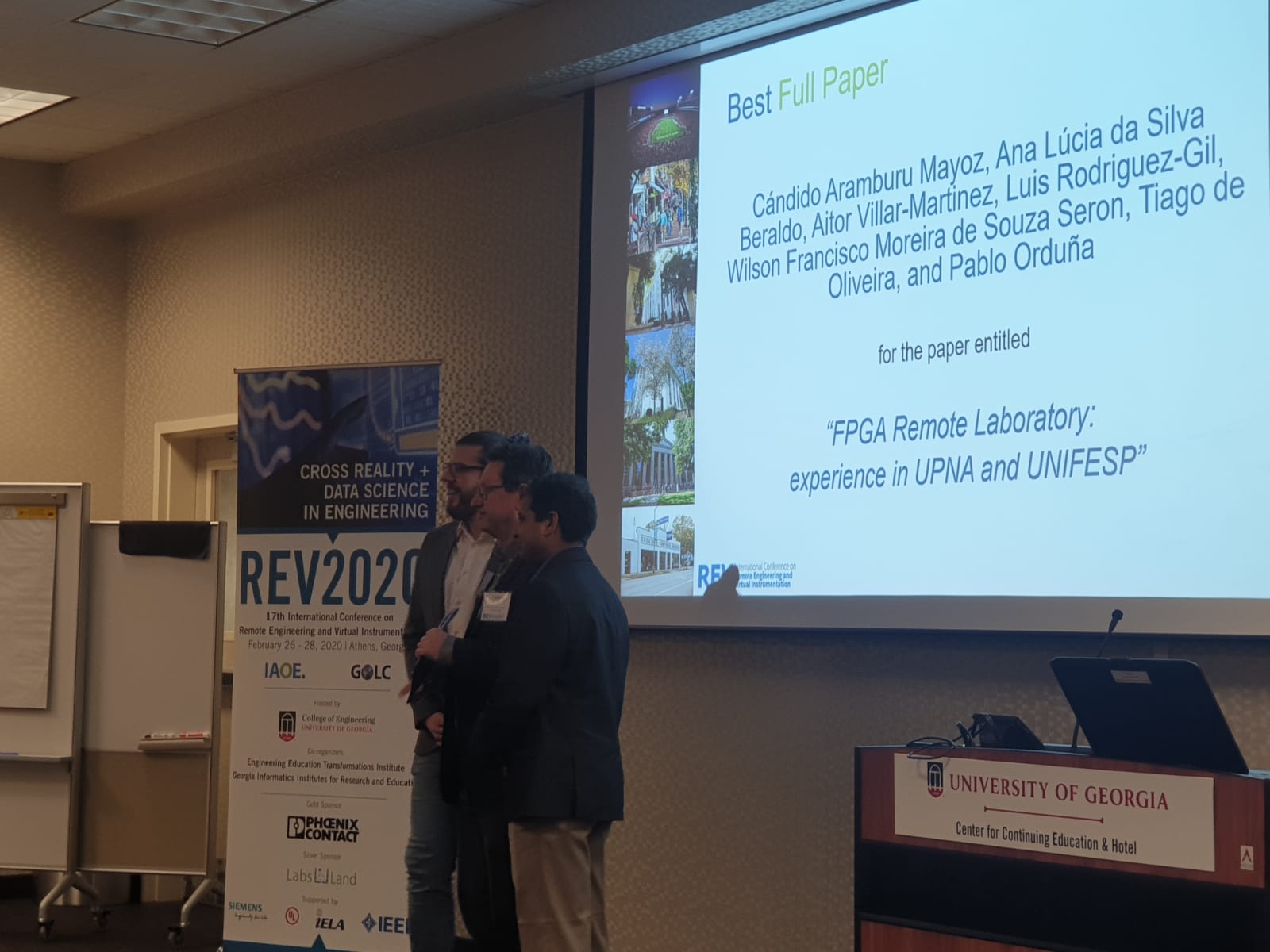
The REV2020 conference last week has been great. We had an amazing community workshop, many interesting presentations, the opportunity to do demos of 4 of our laboratories in the demo…
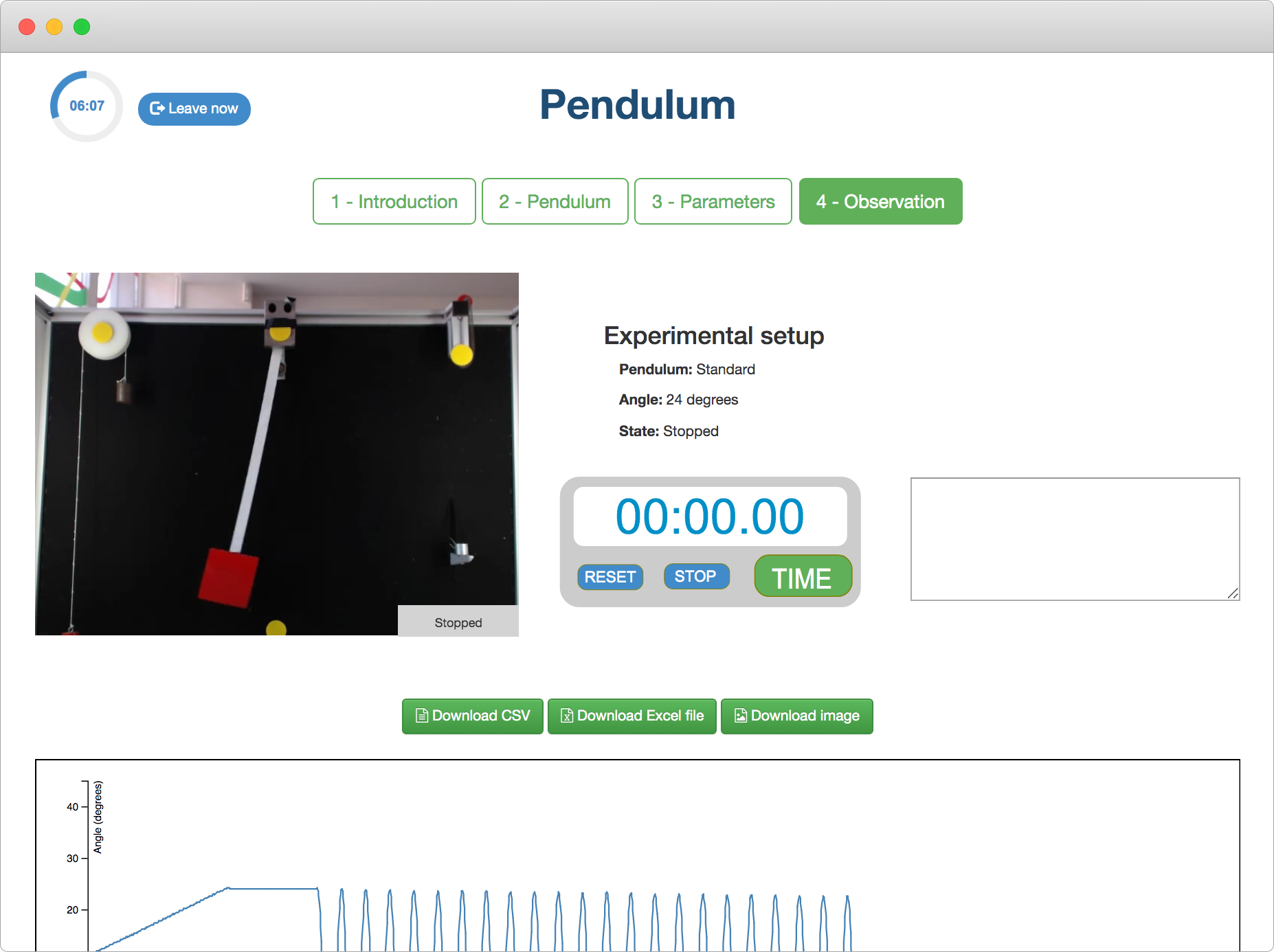
For some time now, LabsLand has had an interesting physics remote laboratory dedicated to pendular movement. In this laboratory, students can access a real simple pendulum. They can choose certain…
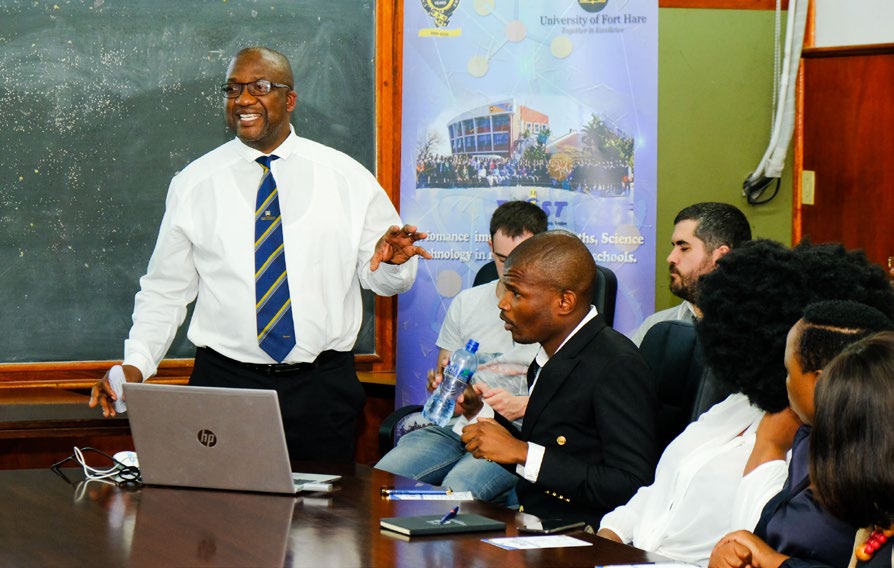
On October 31st, 2019, the University of Fort Hare (UFH) and LabsLand announced a partnership that includes the deployment of LabsLand remote laboratories at UFH. This is an important milestone…